What People Need to Know When Renting a Skydiving Rig

Renting a skydiving rig can be a convenient and cost-effective solution for jumpers, whether you’re a beginner or an experienced skydiver exploring new locations. However, there are important considerations to keep in mind to ensure a safe and enjoyable experience. Here’s what you need to know before renting a rig.
1. Understand the Basics of Skydiving Rigs
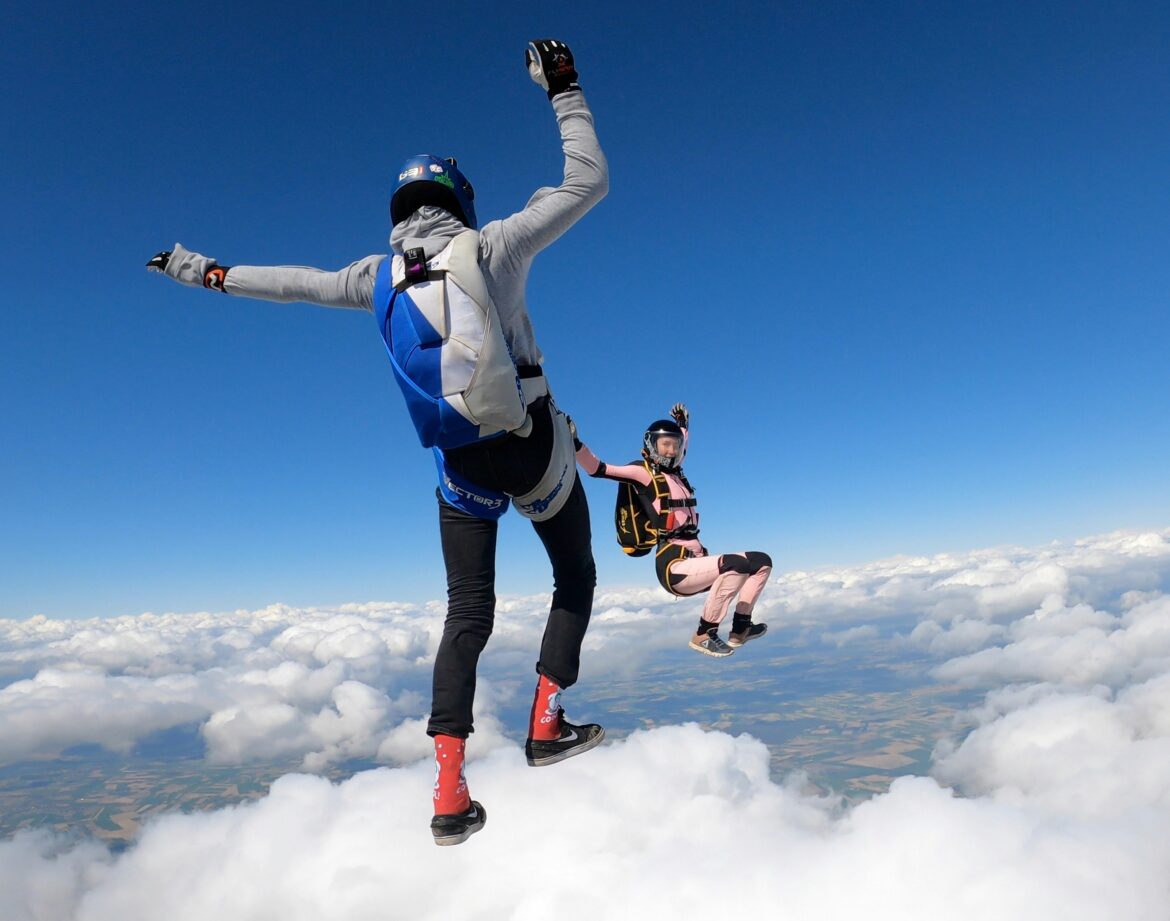
A skydiving rig consists of a harness/container system, a main canopy, a reserve canopy, and a deployment system. It may also include an Automatic Activation Device (AAD) for added safety. When renting, ensure you’re familiar with how these components work together and check for compatibility with your skill level and jump type.
2. Verify Your Certification and Experience Level
Most rental services require proof of your skydiving certification and a logbook showing your experience. Typically, you’ll need at least a USPA A License (or equivalent) to rent a rig. Advanced rigs may require additional licenses or a certain number of logged jumps. Be honest about your experience to ensure you’re matched with appropriate equipment.
3. Check the Rig’s Specifications
Rigs come in various sizes and configurations tailored to different body types and jump styles. When renting, provide accurate details about:
- Your weight: For proper canopy sizing.
- Your height: To ensure the harness fits securely.
- Your experience: To match you with a rig suited to your skill level.
4. Inspect the Equipment
Before accepting a rental rig, conduct a thorough inspection:
- Harness: Check for wear, tears, or loose stitching.
- Canopies: Ensure there are no holes or damaged lines.
- AAD: Confirm it has been recently serviced and is operational.
- Reserve: Verify the pack date; reserves must be inspected and repacked by a certified rigger every 180 days (in the U.S.).
5. Ask About Insurance Options
Some rental services offer insurance to cover damage or loss of equipment. This can provide peace of mind, especially for high-performance or expensive rigs. Be sure to understand the terms and conditions of any insurance policy.
6. Learn the Rental Terms and Policies
Each rental provider has its own policies. Key aspects to review include:
- Rental Duration: Whether it’s per jump, per day, or for longer periods.
- Return Policies: Penalties for late returns or damages.
- Maintenance Fees: Some services charge extra for packing or cleaning.
7. Practice Proper Gear Handling
Treat rental gear as if it were your own. Avoid dragging the rig on the ground, handle the canopies carefully, and store the rig properly when not in use. Always follow instructions provided by the rental service.
8. Know the Dropzone Requirements
Different dropzones may have specific rules for rental equipment. Some may require additional inspections, while others might restrict the use of certain canopies or rigs. Check with the dropzone before your jump.
9. Plan Ahead
Rental rigs are often in high demand, especially during peak skydiving seasons or at major events. Book your equipment in advance to ensure availability and avoid last-minute stress.
10. Consider Long-Term Alternatives
If you’re a frequent jumper, renting repeatedly can become expensive. Consider investing in your own rig as you gain experience. Owning your gear provides consistency and comfort while allowing you to customize it to your preferences.
Final Thoughts
Renting a skydiving rig can be a seamless process if you come prepared and pay attention to the details. By understanding the equipment, verifying your certifications, and practicing good gear management, you can enjoy your jumps with confidence and safety. Whether you’re a student skydiver or a seasoned pro traveling light, renting can open up new opportunities to explore the skies.
Happy jumping!